Romford's 2026 Development Boom
Romford's 2026 Development Boom: Why Cost Management Is the Difference Between Viability and Stalled Schemes

Every successful construction project has one thing in common: it was viable on day one and remained viable on the day the keys were handed over.
In July 2026, as we look across the skyline of Romford, the sheer scale of ambition is undeniable. From the massive regeneration of the former ice rink to the strategic redevelopment of the Homebase site, Romford is currently one of the most active development hotspots in the South East. However, beneath the surface of these ambitious pipelines lies a sobering reality. The UK construction market is facing a "viability crunch" unlike anything we have seen in the last decade.
Rising material costs, fluctuating interest rates, and complex planning bottlenecks mean that many schemes that looked "bankable" eighteen months ago are now struggling to find their feet. As experienced surveyors in Romford, we are seeing first-hand that the difference between a project that breaks ground and one that remains a set of expensive drawings is almost entirely down to commercial management.
If you are a developer, a local authority representative, or a commercial client, you likely already know that the old ways of budgeting are no longer enough. In this climate, quantity surveying isn't just about measuring drawings; it is the strategic bridge between a visionary scheme and a deliverable reality.
The Romford Pipeline: A Local Boom with National Pressures
Romford's transformation is a cornerstone of the wider Havering regeneration strategy. Several landmark projects are currently defining the local quantity surveying news:
- The Former Ice Rink Site: A flagship scheme poised to deliver 972 new homes. This project is a masterclass in urban density, but with a scale of nearly 1,000 units, the commercial risk profile is significant.
- The Homebase Site (Davidson Way): This strategic redevelopment aims to provide approximately 584 homes. It represents a vital shift in land use, moving from retail to high-density residential.
- Angel Way: A recently approved regeneration project that will transform a town centre car park into 106 high-quality homes.
- The Liberty & Bridge Close Area: While specific figures for the Liberty Shopping Centre phases evolve, the surrounding regeneration (including Bridge Close) is targeting upwards of 1,000 homes.
On paper, these projects represent a golden era for the town. But why is "viability" the number one word in every boardroom right now?

Understanding the 2026 Viability Gap
In simple terms, viability is the measure of whether a project’s end value outweighs the cost of building it, including a reasonable margin for risk and profit. In 2026, that gap is narrowing.
We have moved into a phase where build costs are no longer the only variable. The "Triple Squeeze" of 2026 consists of:
- Financing Pressure: With interest rates remaining higher than the historic lows of the previous decade, the cost of capital has skyrocketed. Every month a project spends in planning or pre-construction adds thousands to the finance bill.
- Compliance & Regulation: From the Building Safety Act to new biodiversity net gain requirements, the "hidden" costs of compliance have risen. These are essential for quality, but they require precise accounting from the outset.
- Labour and Material Volatility: While the hyper-inflation of previous years has stabilised, we are still seeing 6-7% annual increases in specific trades and materials.
When you combine these factors, a project that was 20% profitable at the feasibility stage can quickly slip into the "red" before a single brick is laid. This is where professional romford surveyors provide their greatest value.
Why Front-Loaded Quantity Surveying is Essential
A common mistake we see is bringing in a quantity surveyor too late in the process. Often, a developer will wait until the designs are finished before asking for a cost plan. By that point, the "ship has sailed" on many of the most impactful cost-saving opportunities.
We believe that commercial management should start the moment a site is identified. By involving us during the feasibility stage, we can help you:
- Establish a Realistic Baseline: We don't just guess costs; we use live market data to ensure your initial budget reflects the 2026 reality.
- Identify Risk Early: Whether it’s ground conditions or supply chain lead times, we help you see the "icebergs" before you hit them.
- Optimise the Design: It is much cheaper to change a line on a drawing than it is to change a wall on a site.
You can learn more about our specific approach to Quantity Surveying Services here.

Value Engineering vs. Cost Cutting: The Distinction Matters
In a viability crunch, the temptation is often to simply "cut costs." This usually means using cheaper materials or reducing the scope of the project. However, this is a short-sighted strategy that often leads to higher maintenance costs, lower end-values, and potential legal issues down the line.
At OMC, we focus on Value Engineering.
How can this possibly save you any money? Value engineering isn't about making things cheaper; it’s about making them smarter. It involves looking at the function of every element of the build and asking: "Is there a more efficient way to achieve this same result without sacrificing quality?"
For example, on a high-density scheme like the Romford ice rink redevelopment, value engineering might involve rationalising the structural grid to reduce steel weight or choosing a facade system that is faster to install, thereby reducing on-site labour costs and finance interest.
Commercial Management Across the Lifecycle
Viability isn't a one-time check; it’s a living process. Our role as a surveyor in Romford extends far beyond the initial quote. Throughout the project lifecycle, we act as the guardians of your budget through:
- Procurement Strategy: Choosing the right contract type is vital. In a volatile market, should you go with Fixed Price, or is a Cost-Plus arrangement with a GMP (Guaranteed Maximum Price) more appropriate?
- Change Management: In construction, change is inevitable. Our job is to ensure that every variation is tracked, costed, and justified.
- Valuations and Cashflow: We ensure that contractors are paid fairly for the work they have actually done, protecting your cashflow and ensuring the project remains liquid.
Our Management Services are designed to provide this level of oversight from inception to completion.

How We Help Local Authorities and Developers
Romford’s boom is unique because it involves a high level of collaboration between the private sector and Havering Council. For local authorities, the challenge is ensuring that these schemes deliver the social value and affordable housing promised, despite the economic headwinds.
We work as a neutral, professional partner to provide:
- Independent Viability Reviews: Helping local authorities understand if a developer's claims about "unviable" affordable housing targets are backed by hard data.
- Project Monitoring: Ensuring that public-private partnerships stay on track and that funds are being utilised effectively.
- Distressed Project Recovery: If a project has stalled due to cost overruns, we can step in to provide a "re-baselining" service, bringing clarity and a route to completion.
The OMC Difference: Professional Judgement and Integrity
At Osei Management & Consulting Ltd, we don’t just provide numbers; we provide professional judgement. Our team brings a calm, clear-eyed perspective to the often chaotic world of construction commercial management.
We understand that for you, these projects aren't just "units": they are investments, homes, and the future of our local community. Whether you are navigating the complexities of the Angel Way redevelopment or planning a high-end commercial fit-out, you need a partner who understands the London and Essex market inside out.
As a Black British-owned firm, we pride ourselves on our representative and modern approach to surveying. We combine RICS-aligned rigour with a pragmatic, communicative style that helps our clients feel in control of their projects.

Moving Forward in 2026
The "boom" in Romford is real, but it is not guaranteed. The projects that will define the skyline in 2030 are the ones that are being commercially managed with precision today.
If you are concerned about the viability of an upcoming scheme or if you need expert advice on quantity surveyor news and market trends, we invite you to start a conversation. Imagine a project where every decision is backed by precise numbers and where the financial risk is managed as closely as the architectural vision.
That is the standard we bring to every instruction.
Are you planning a development in Romford, London, or the South East? Let’s discuss how we can bridge the gap between your ambitions and a deliverable, profitable reality.
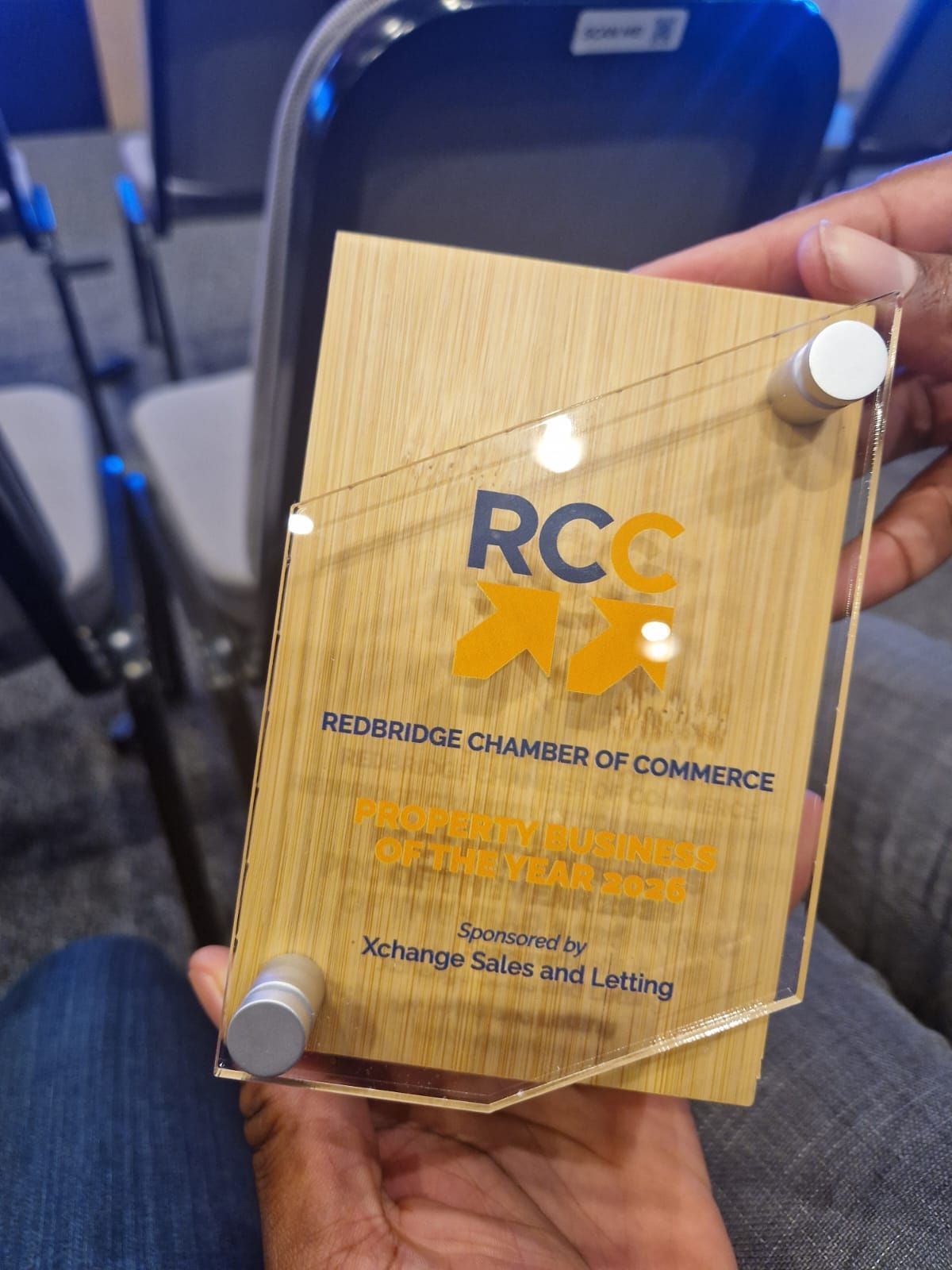
Contact us today via our Contact Page or explore our About Us section to learn more about our award-winning team and our commitment to excellence in the built environment.