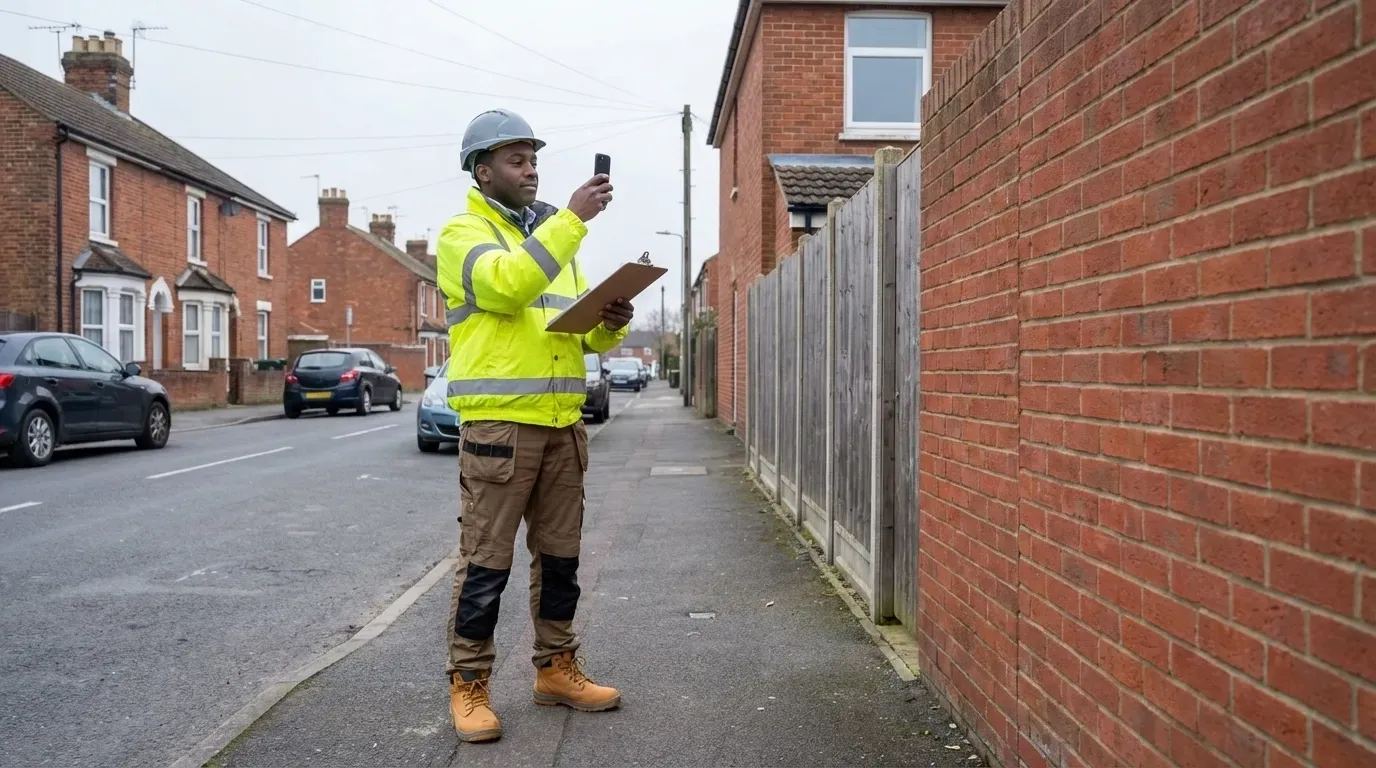
7 Party Wall Mistakes Essex Homeowners Make (And How to Avoid Them)
7 Party Wall Mistakes Essex Homeowners Make (And How to Avoid Them)
Planning a loft conversion in Brentwood? Extending your kitchen in Chelmsford? Building a basement in Romford?
Before you crack on with the building work, there's a good chance you'll need to deal with the Party Wall etc. Act 1996. And here's the thing, we see Essex homeowners trip up on the same issues time and time again.
The consequences? Delays that can stretch into months. Unexpected costs running into thousands. Strained relationships with neighbours that take years to repair.
The good news is that every single one of these mistakes is avoidable. Let's walk through the seven most common pitfalls we encounter, and exactly how you can sidestep them.
Mistake #1: Serving Your Notice Far Too Late
This is probably the single biggest issue we see.
A homeowner has their plans ready, the builder is booked, and suddenly they realise they need to serve party wall notices. So they fire off the paperwork a few weeks before work is due to start.
Why this causes problems: The Party Wall Act requires you to give your neighbour between one and two months' notice, depending on the type of work. That's the minimum. If your neighbour dissents (which they're perfectly entitled to do), you'll need surveyors appointed and a formal Party Wall Award prepared.
That process takes time. We've seen Chelmsford projects delayed by three months or more because notices were served too late, with additional costs climbing to around £15,000 in professional fees and contractor penalties.
The fix: Serve your notices as soon as your design is finalised. We recommend building in a 3–4 month lead-in time. Yes, it feels like a long way off. But it gives everyone breathing room and keeps your project timeline intact.

Mistake #2: Missing Adjoining Owners
Here's a common scenario: you serve notice to your next-door neighbour, the one you chat to over the fence. Job done, right?
Not quite.
Why this causes problems: The Act requires you to notify every adjoining owner. That might include freeholders, leaseholders (even those with relatively short leases), and sometimes management companies with a legal interest in neighbouring land.
Miss one, and the entire process can be invalidated. Your neighbour, or their legal representative, can stop work until you've corrected the notices and started again from scratch.
The fix: Conduct Land Registry checks before serving any notices. Identify every owner with a legal interest in the adjoining property. If this sounds like a headache, that's because it can be. This is one area where working with a party wall surveyor saves considerable time and stress.
Mistake #3: Creating Vague DIY Notices
We understand the temptation to handle things yourself. Party wall notices look straightforward enough. Download a template, fill in the blanks, post it through next door's letterbox.
But DIY notices often lack critical detail, unclear drawings, vague descriptions of the work, woolly timings.
Why this causes problems: A notice that doesn't clearly explain what you're doing, where, how, and when can be challenged. Your neighbour might dissent simply because they don't understand what's being proposed. Or worse, the notice gets rejected entirely, and you have to start over.
That resets the statutory clock. More delays. More frustration.
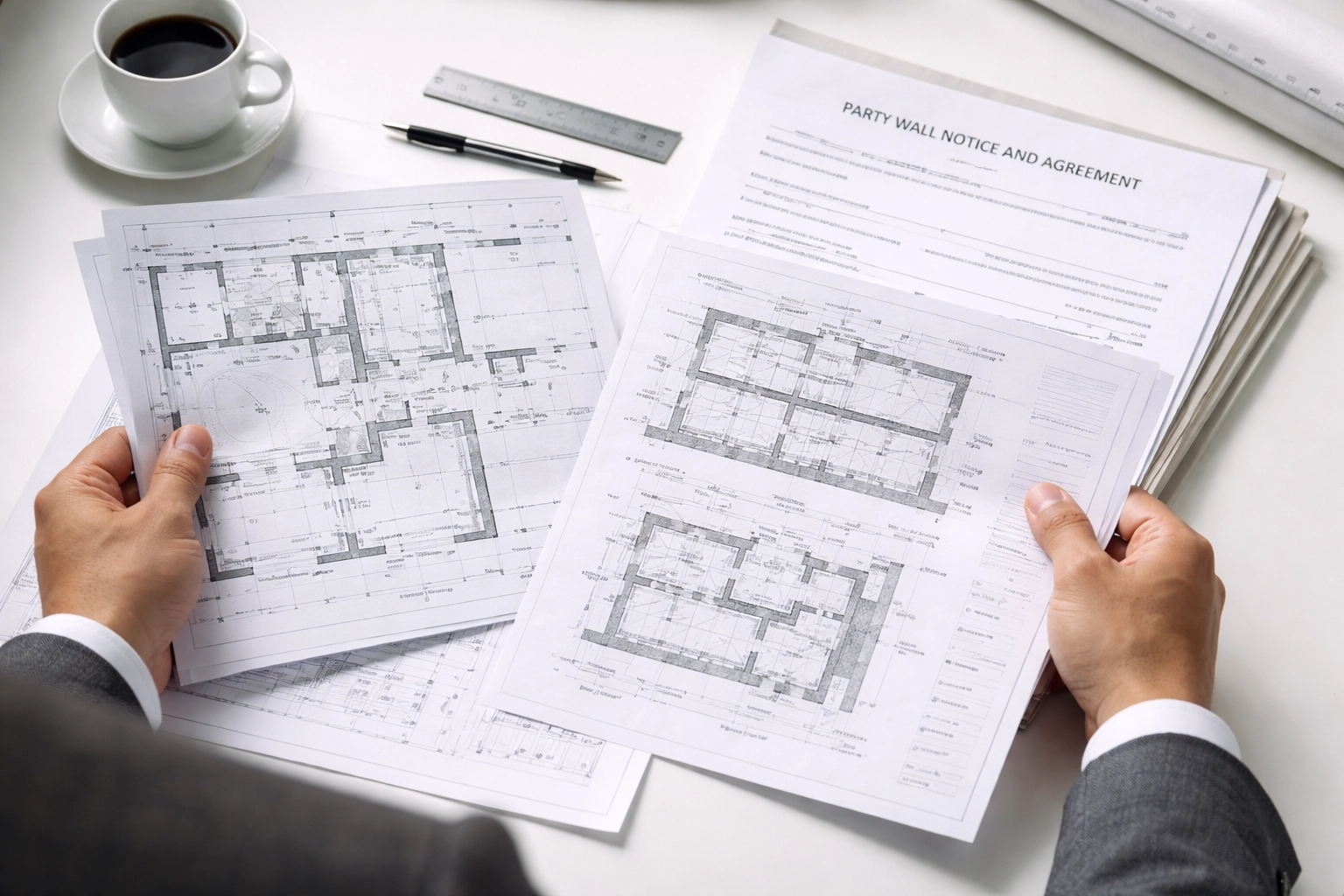
The fix: Include clear architectural drawings. Be precise about the scope of work. Specify dates. If you're drafting notices yourself, have them reviewed by a professional before serving. In many cases, the cost of getting it right first time is far less than dealing with the fallout from a poorly drafted notice.
Mistake #4: Skipping the Schedule of Condition
Your neighbour has consented to the work. Brilliant. Time to crack on.
But wait, have you recorded the current condition of their property?
Why this causes problems: Without a Schedule of Condition (a detailed photographic and written record of your neighbour's property before work begins), you're exposed to disputes about damage. Cracks that were already there. Marks on walls that have nothing to do with your building work.
We've seen homeowners face claims for thousands of pounds in "repairs" for damage they didn't cause. Without evidence, it becomes your word against theirs.
The fix: Always arrange a Schedule of Condition, even when your neighbour has consented. Have it prepared by a surveyor, share a copy with your neighbour, and keep it on file. It protects both parties and provides a clear reference point if any questions arise later.
Mistake #5: Starting Work Without a Party Wall Award
This one can get you into serious legal trouble.
Some homeowners believe that written consent from their neighbour is enough. They start work without a formal Party Wall Award in place.
Why this causes problems: If a dispute arises, about damage, working hours, access, anything, you have no legal framework to resolve it. Your neighbour can seek an injunction to halt work entirely. One case in Battersea saw work stopped for three months, with over £4,000 in additional legal fees.
The fix: If your neighbour dissents, you must appoint surveyors to prepare a Party Wall Award. This is a legal document that sets out what work can be done, how, and what protections are in place for your neighbour.
Even if your neighbour consents, consider getting an Award for complex projects, basements, structural alterations, work near listed buildings. It provides clarity and protection for everyone involved.

Mistake #6: Getting Confused About What Actually Requires Notice
Not every piece of building work triggers the Party Wall Act. But equally, some work that seems minor absolutely does require notice.
Why this causes problems: Serve unnecessary notices and you slow down your project, potentially annoying neighbours for no reason. Miss a required notice and you could face legal action to stop work while things are regularised.
The fix: Generally, you'll need to serve notice for:
- Work directly to a party wall or party structure
- Excavations within 3 metres of a neighbour's foundations (or 6 metres in certain circumstances)
- Building a new wall on or astride the boundary line
- Structural alterations affecting a shared wall
If you're unsure, it's worth getting a quick professional review. A 30-minute consultation can save weeks of delay.
Mistake #7: Appointing a Non-Specialist Surveyor
This is a question we get regularly from clients: "Can't my architect or building surveyor handle the party wall stuff?"
Technically, yes. But party wall matters are a specialist area with their own legal requirements, procedures, and case law.
Why this causes problems: A surveyor who doesn't regularly handle party wall work may miss crucial steps, draft inadequate Awards, or fail to properly manage the statutory process. This can lead to disputes, delays, and additional costs down the line.
We've seen Awards challenged because they didn't properly address access rights, working hours, or compensation provisions. Fixing these issues mid-project is expensive and stressful.
The fix: Appoint a surveyor with specific party wall experience. Look for RICS membership and evidence of regular party wall instructions. At Osei Management & Consulting, we handle party wall matters across Essex every week: from straightforward loft conversions to complex basement excavations.

The Bottom Line
Party wall matters don't have to derail your project. The key is planning ahead, getting the paperwork right, and working with professionals who understand the process inside out.
Here's your quick checklist:
- Lock your design before serving notices
- Allow 3–4 months lead-in time
- Identify all adjoining owners through Land Registry checks
- Serve clear, detailed notices with supporting drawings
- Arrange a Schedule of Condition regardless of consent
- Obtain a Party Wall Award where required
- Appoint a specialist surveyor for peace of mind
Get these right, and you'll keep your project on track, your budget intact, and your relationship with the neighbours in good shape.
If you're planning work in Essex and want to make sure you're covered, get in touch with our team. We're always happy to talk through your options: no obligation, just straightforward advice.